Diabetic Foot Ulcers (DFUs) remain one of the most serious and costly complications of diabetes. Loss of protective sensation, vascular disease, and delayed detection allow minor injuries to progress into severe wounds that are difficult to treat.
Up to 25% of people with diabetes will develop a DFU requiring medical attention
0M+
1.6M+ ulcers occur annually in the United States
0
100,000 diabetes-related amputations each year
$0B+
$17B+ annual excess direct healthcare costs
Early Detection and Intervention Can Significantly Reduce Costs Associated with DFUs
Ulcer severity at first presentation is a major driver of clinical outcomes and cost burden. In fact, severe ulcers (Stage 4-5) are more than 10x the cost of superficial ulcers (Stage 1).
A DFU identified and addressed early (Stage 1) costs significantly less to treat than a more severe DFU.
57% less than Stage 2
85% less than Stage 3
93% less than Stage 4 and 5
$0K
$0K
$0K
$0K
1234 - 5
Wagner Stage
Evidence suggests routine inspection can reduce severity at time of detection, but real world challenges exist.
Clinical guidelines recommend routine foot inspections and temperature monitoring. While effective in controlled settings, real-world adherence and effectiveness are limited.
Self-Inspection Challenges:
Patients struggle with flexibility, dexterity, & vision
Inconsistent daily compliance
Difficulty interpreting warning signs
False alarms or missed indicators
Monitoring burden leads to disengagement
A Practical Home Monitoring Solution Using a Familiar Form Factor
Bluedrop Medical developed a proprietary thermovisual foot scanner that enables patients to complete daily foot assessments in just 30 seconds at home.
OneStepTM
Foot Scanner
Once per day, the user simply places their feet on the device to initiate the scan process, during which high resolution images and temperature data from the feet are captured. This data is securely transmitted to Bluedrop for analysis using a companion 4G router.
EveryStepTM
Monitoring Service
Within 24 hours, Bluedrop uses AI assisted software to inspect feet for signs of visual and temperature risks. Our team notifies users of risks identified that require attention and may escalate to their prescriber if clinical intervention is needed.
How It Works
Following receipt of a prescription, Bluedrop contacts the patient and initiates the process.
Delivery and Set-up
After the device is delivered, new patients receive virtual on boarding to explain device set-up and educate on monitoring program.
Each scanner arrives with a pre-linked wireless router that eliminates the need for home internet.
The device is paired to the patient account by Bluedrop before delivery, so no online registration or app is required.
Daily Use and Monitoring
Each time the patient scans, Bluedrop reviews the visual and temperature data for risk factors.
Bluedrop engages with patients based on a standard protocol to address risk factors. Bluedrop also provides Compliance Reminders to ensure routine use of device.
If a risk factor is detected that requires clinical intervention, the patient is notified and an escalation report, including the images and temperature data, are sent to their provider.
Early Experience Demonstrates Meaningful Clinical & Economic Impact
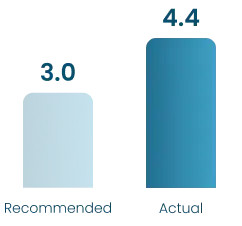
Compliance
Scans Per Week
Patients scan every 1.6 Days on average
Risk Detection
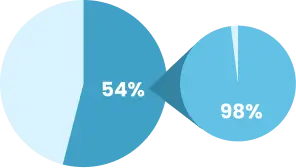
Scans with Observed Risk
54% of Scans Presented with Risk Factor(s)
98% of those Risk Factors are Observed Visually.
Impact
Scans Required Escalation
<1%
of Issues Required Escalation to HCP
100%
of Issues Required Escalation to HCP
Consistent use by patients enables early risk detection and lower severity at time of clinical encounter